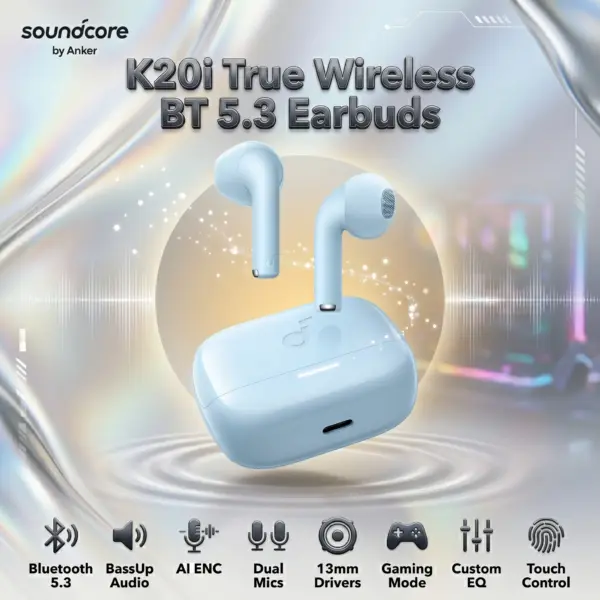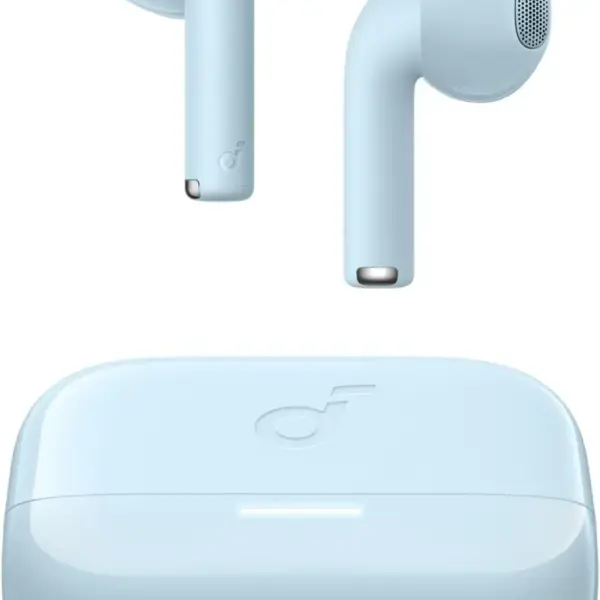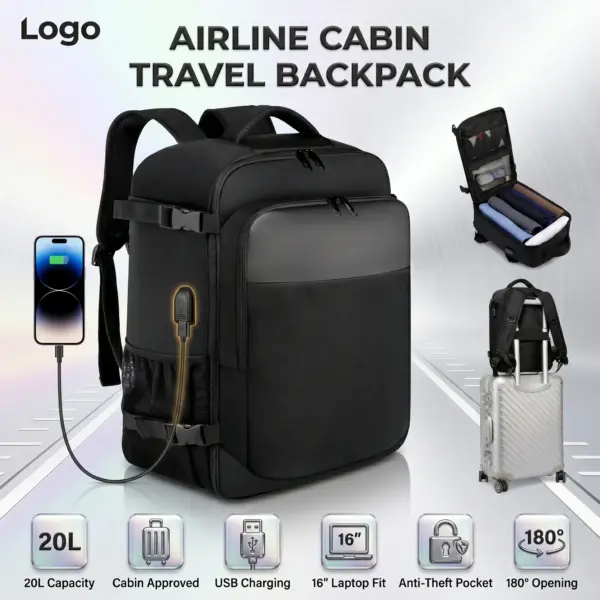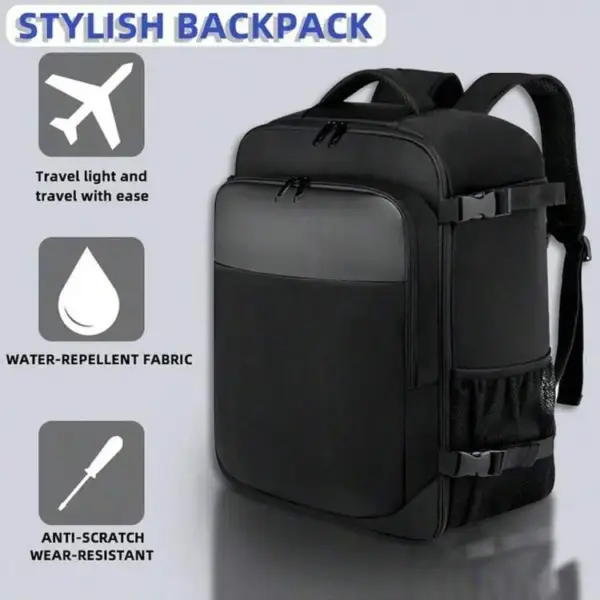



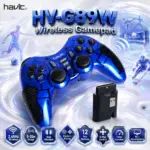



HAVIT-HV-G89W
HAVIT 2.4G WIRELESS GAMEPAD-BLUE
HAVIT 2.4GHz Wireless Gamepad With Dual Vibration, 12 Buttons, Digital and Analog Modes, Turbo Function, 5–20m Range and PC, PS1, PS2 and PS3 Support | Indigo Blue ~ HV-G89W
Power switch, powered by 3 external batteries
GENERATE AN AI IMAGE
Layout
- Create a premium, high-conversion e-commerce product-profile image featuring the supplied HAVIT HV-G89W Wireless Gamepad as the sole hero product.
- Produce an exact 2048 × 2048-pixel, perfect 1:1 square composition with generous safe margins.
- Clearly separate the foreground, midground, and background while keeping the controller, USB receiver, HAVIT logo, title, icons, wireless effects, and scenery fully inside the canvas.
- Place the official HAVIT logo at the top-left.
- Center “HV-G89W Wireless Gamepad” at the top using bold, deeply extruded 3D typography with excellent contrast.
Product Presentation
- Use the attached raw product image (of the blue controller & the Power switch)as the strict visual reference.
- Preserve the exact indigo-blue body, controller silhouette, analog-stick placement, D-pad, action buttons, shoulder controls, labels, proportions, surface textures, and physical construction.
- Show one gamepad only, large and dominant in the midground at a refined three-quarter angle.
- Display the supplied USB wireless receiver only when it is visible or confirmed in the reference material.
- Use realistic polymer textures, precise buttons, fine seams, ray-traced highlights, and premium commercial lighting.
- Do not add RGB lighting, a built-in display, rechargeable battery, speaker, microphone, touchpad, or unsupported controls.
- Do not place the controller on a stage, pedestal, circular platform, or showroom block.
Artistically Distinct and Detailed Background
- Create a surreal wireless competitive-gaming environment inspired by action, fighting, football, and hockey gaming.
- Express cable-free control through controlled 2.4GHz energy waves connecting the gamepad to an abstract gaming display in the distance.
- Suggest opposing player zones, responsive vibration pulses, and digital-versus-analog control through mirrored flowing forms without using copyrighted game characters.
- Use a dominant pearlescent opaline-white background with subtle opaline silver and very restrained (icy cyan, indigo, violet-blue) , and limited deep cinematic-blue accents.
- Use no more than two texture styles: conch-pearl micro-swirled surfaces and dichroic-glass wireless energy structures.
- Add curled reliefs, layered organic contours, mother-of-pearl reflections, delicate caustics, controlled iridescence, and soft volumetric light.
- Maintain powerful visual separation between the pale environment and the indigo-blue controller.
Icons — Numbered and Listed
- 2.4GHz Wireless
- 5–20m Range
- Dual Vibration
- Digital + Analog
- 12 Fire Buttons
- 8-Way Control
- Turbo Function
- PC + PS1/PS2/PS3
- Create every icon as a different extreme-resolution 3D freeform badge with embedded, readable text.
- CRITICAL DIRECTIVE [STRICT] The Icons MUST Have different shapes depending on the specific content of the icon
- Arrange all nine icons across two balanced horizontal rows at the bottom with strong spacing and maximum text contrast.
Output Requirements
- Deliver exactly 2048 × 2048 pixels in a perfect square 1:1 format.
- Use cinematic global illumination, sharp typography, controlled reflections, refined lens highlights, and extreme high-resolution rendering.
- Keep every element fully inside the safe margins and provide the complete uncropped composition.
Constraints
- Do not alter the controller design or invent unsupported features.
- Do not portray the controller as Bluetooth.
- Do not show an integrated rechargeable battery; it uses three external AAA batteries.
- Do not depict Nintendo, Xbox, or unsupported platform compatibility.
- Avoid generic chrome, flat white emptiness, cheap plastic, excessive matte surfaces, clutter, and unreadable icon text.
- Before finalizing, brutally evaluate: “How does this image fare as a product-profile image?” Correct inaccurate controls, weak wireless storytelling, distorted buttons, clipping, duplicated text, poor contrast, and weak product hierarchy.